
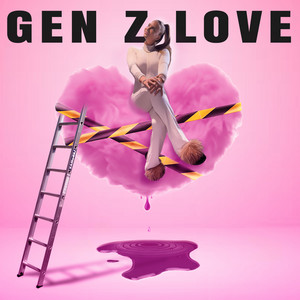
February is traditionally the month of commitment—flowers, chocolates, and declarations of loyalty. Yet for Gen Z in the workplace, love looks very different. Their professional love language is not long-term devotion or corporate “till retirement do us part.” Instead, it is the situationship: flexible, low-commitment, values-driven, and easily exited when the relationship no longer serves their well-being. Recent workforce data confirms what many leaders are already experiencing firsthand: Gen Z workers are redefining the employer–employee relationship, treating jobs much like modern dating—temporary, exploratory, and contingent on mutual satisfaction in the moment.
Love, Redefined – In this season of love, Gen Z is reminding employers of an uncomfortable truth: commitment must be earned continuously. Jobs are no longer marriages. They are situational relationships that require mutual care, transparency, and value—renewed daily. Until organizations offer more than stability myths and delayed rewards, Gen Z will continue to treat work like modern dating: engaged, discerning, and always ready to walk away when the relationship no longer feels right. In other words, if employers want loyalty, they may need to stop acting like they are entitled to and start acting like a partner worth committing to.
From Career Ladders to Career Situationships – Nearly 60% of Gen Z employees describe their jobs as “situationships,” not long-term commitments. Almost half (47%) plan to leave within a year, and 24% say they would quit without notice. Roughly 30% admit to having already ghosted an employer, skipping formal resignations entirely. Average tenure? Just 1.8 years.
Older generations often view this behavior as a lack of grit or commitment. Gen Z sees it as rational self-preservation. For decades, young workers have been told—explicitly and implicitly—that loyalty does not pay. They watched parents laid off after years of service, witnessed pensions disappearing, and entered a labor market dominated by gig work, contract roles, and automation.
Side Hustles as Emotional Insurance – In dating, people keep options open to avoid heartbreak. At work, Gen Z keeps side hustles. Surveys show a significant portion of Gen Z supplementing income through nontraditional means: freelance work, content creation, online platforms, and gig-based income streams. Axios reports that more than half of Gen Z now maintains a side hustle. This is not rebellion; it is strategy. In an environment where entry-level jobs have declined nearly 30% since early 2024, and AI continues to erode traditional career paths, reliance on a single employer feels dangerously naïve.
What This Means for Employers
Gen Z is not anti-work:they are anti-misalignment. Organizations that frame retention solely around loyalty appeals will continue to struggle. Instead, employers must meet Gen Z where they are:
- Make growth visible early
- Offer autonomy without ambiguity
- Normalize internal mobility
- Address wellbeing structurally
- Acknowledge side hustles
References: shrm.org